

Blurry or foggy vision
Cataract: The first
sign of fading clarity
At Pixel Eye Hospital, we look at cataracts as more than a condition, something to understand clearly and treat with precision.

What is cataract?
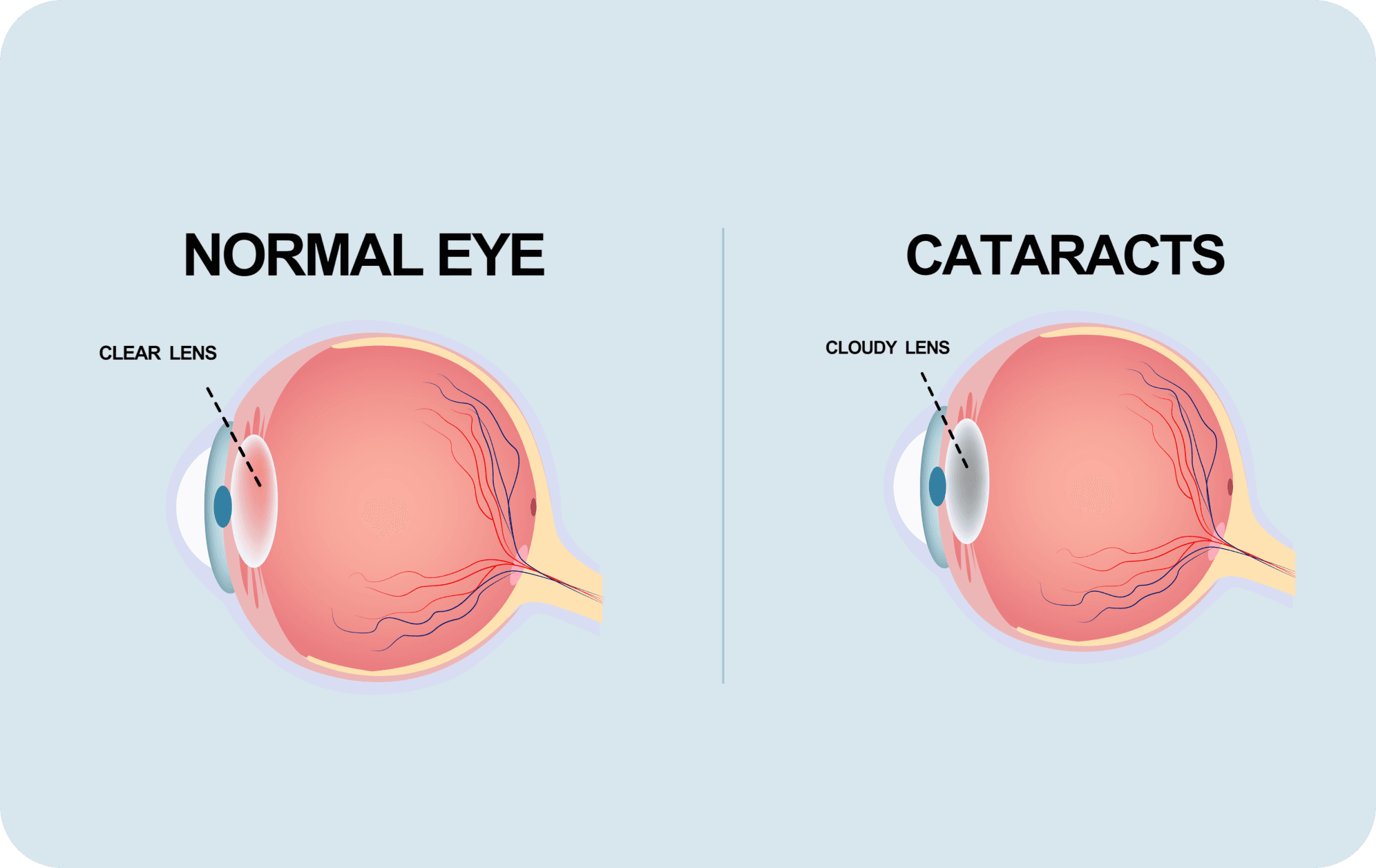
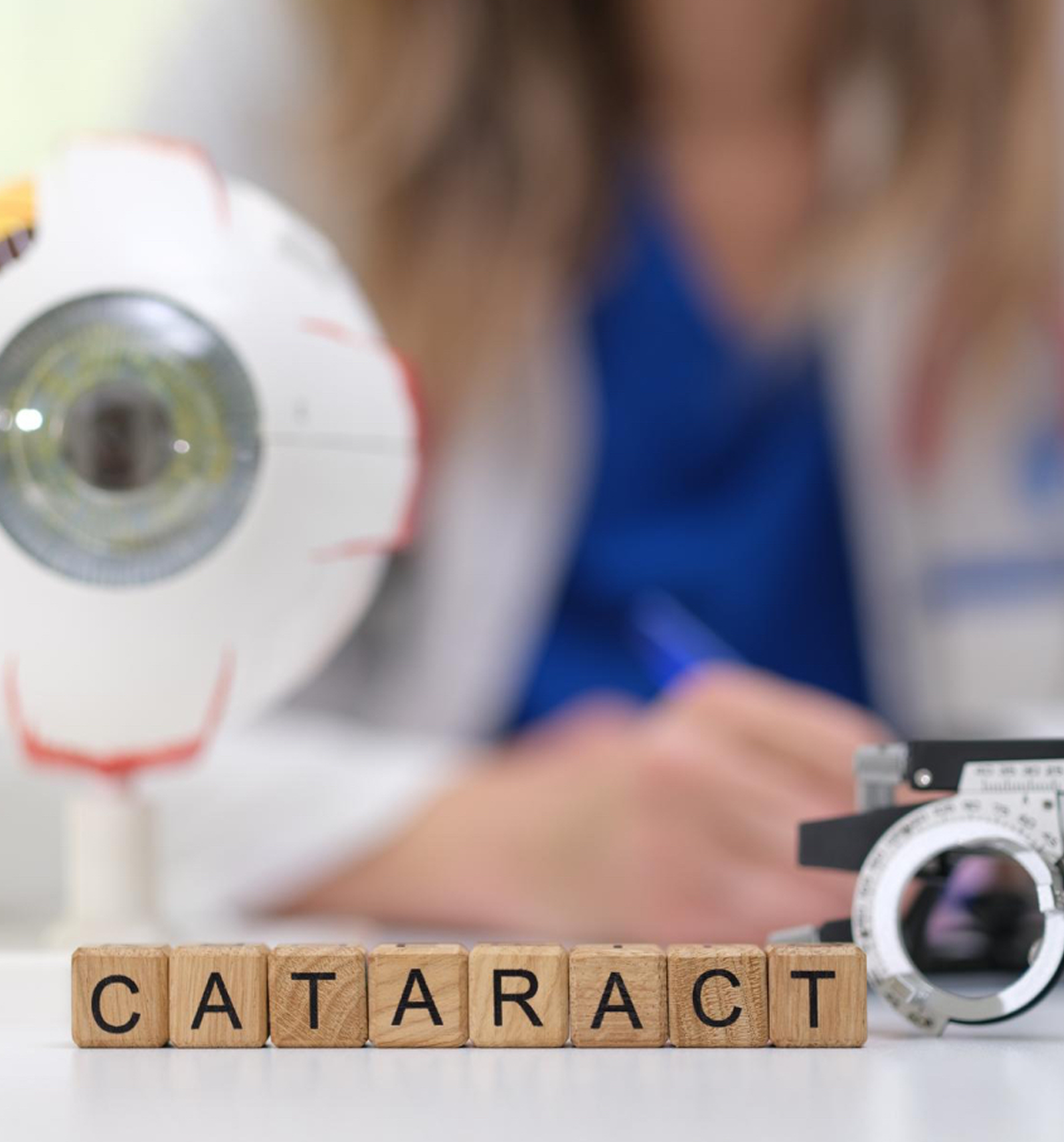
A cataract occurs when the eye's natural lens turns cloudy.
In a healthy eye, the lens is clear and allows light to pass through, helping you see sharply. With cataract, proteins in the lens begin to clump together, reducing clarity. Light scatters, and vision becomes blurred. It may affect one or both eyes and usually develops gradually.
While ageing is the most common cause, it can also result from injury, certain medications, or conditions like diabetes.
Signs you may notice
These changes are gradual, but they begin to interfere with everyday tasks like reading, driving, and recognising faces.
What leads to cataract and its risk factors
Cataracts are most commonly linked to age-related changes in the eye




Types of cataract
Each type affects vision differently and requires careful evaluation.
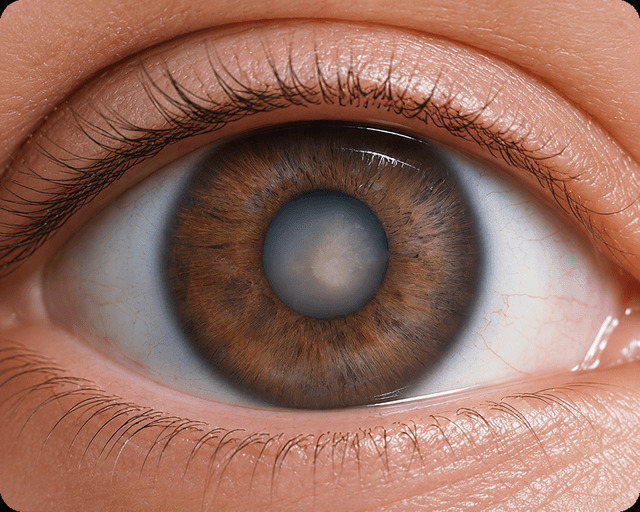
Nuclear sclerotic cataract
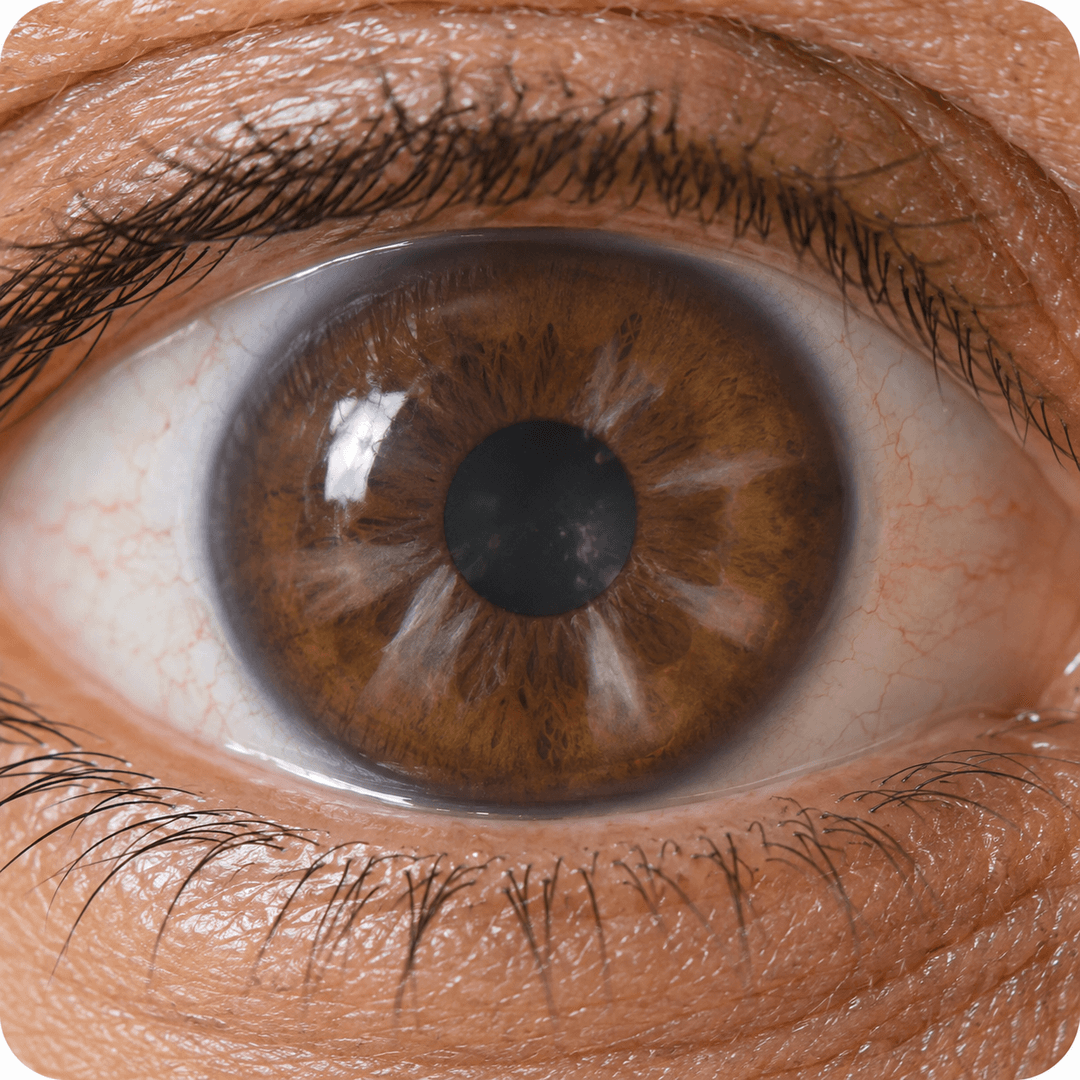
Cortical cataract
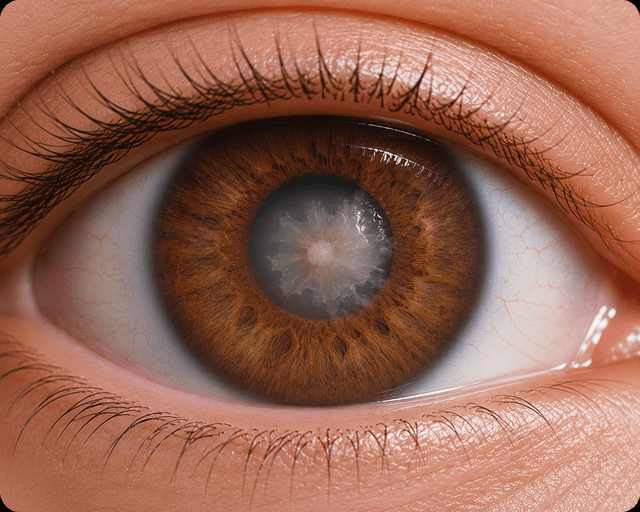
Posterior subcapsular cataract

How do we approach
cataract at Pixel Eye Hospital
Precision matters here. We use ARGOS, one of the most accurate IOL calculation systems available today. It allows detailed measurement of the eye and helps determine lens requirements with high accuracy, including the need for toric and advanced lenses.
This leads to:
- a)Better visual outcomes
- b)Reduced dependence on glasses after surgery
- c)Greater predictability in results
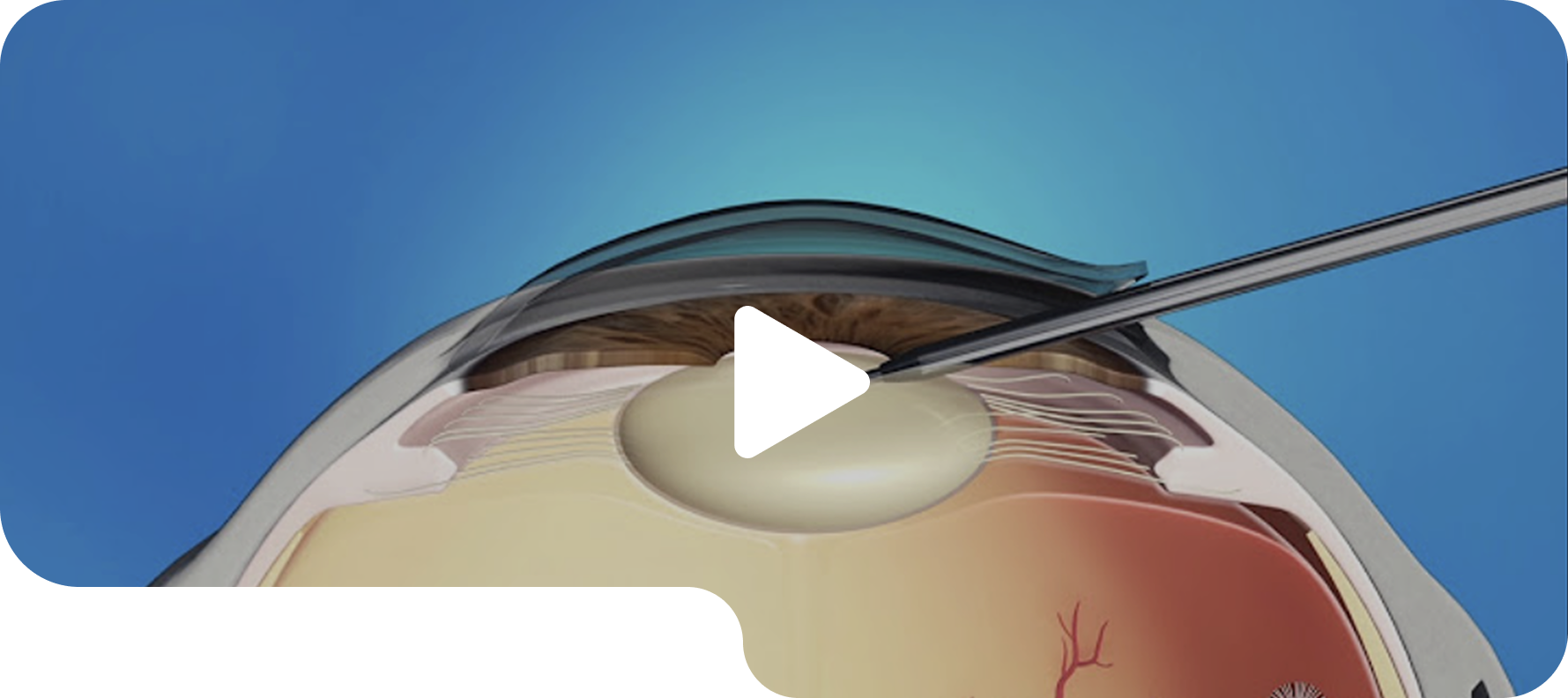
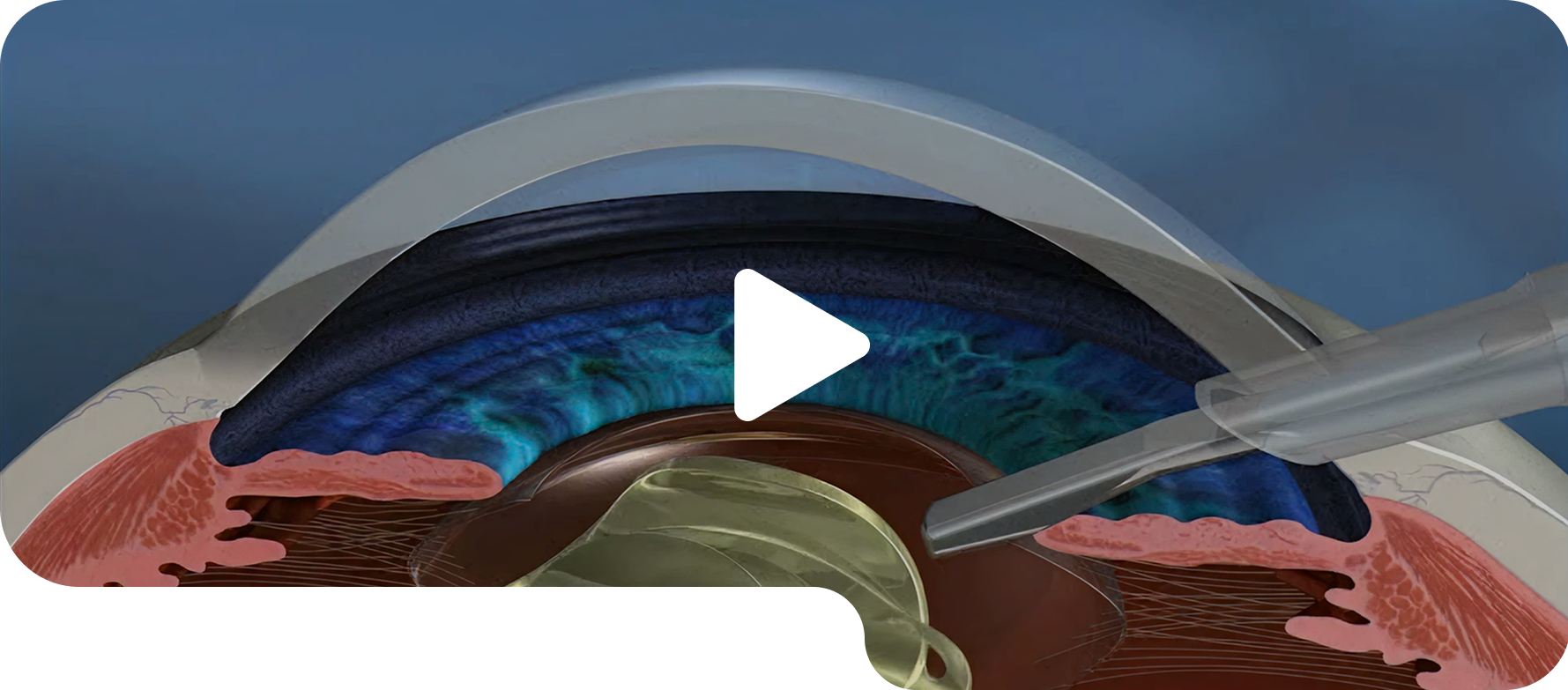
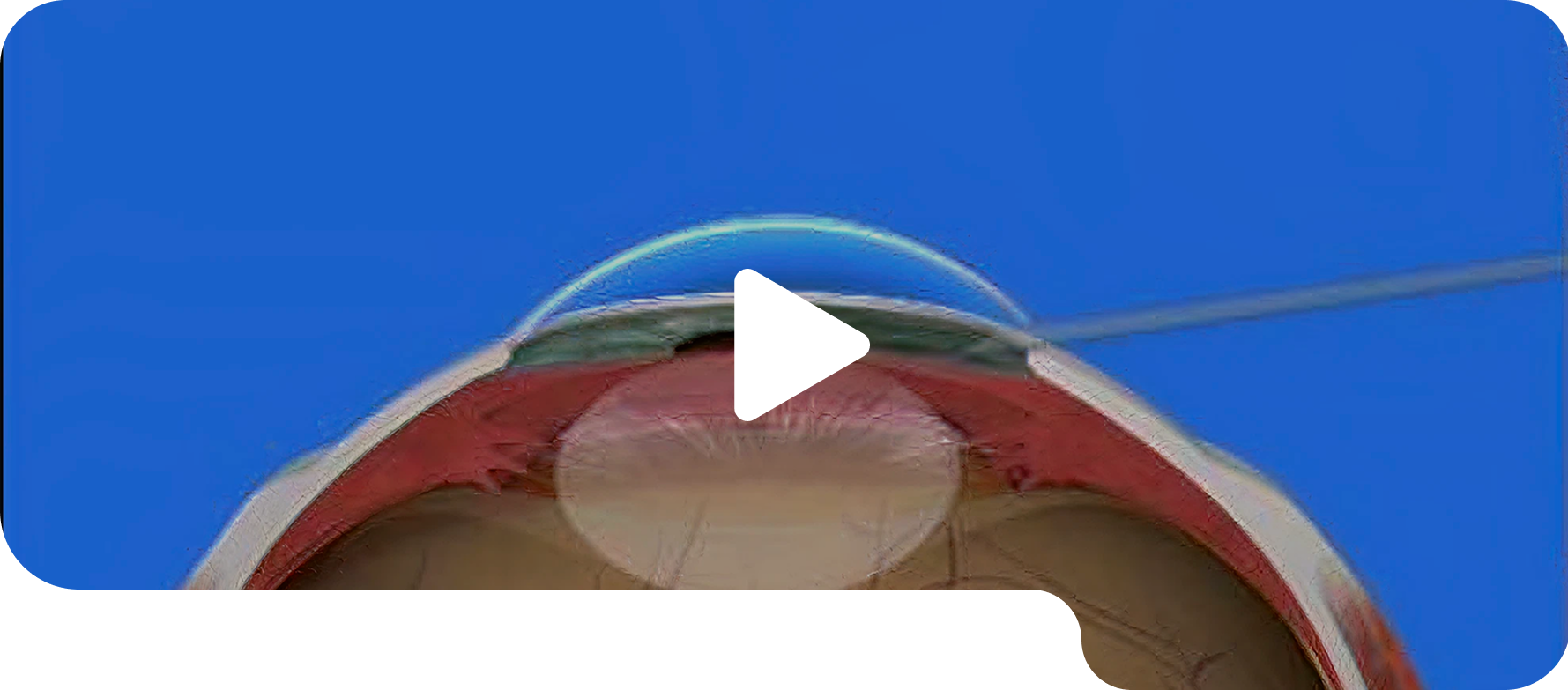
The procedure is performed under local anaesthesia. A small incision is made, the cloudy lens is removed using ultrasound or laser technology, and an artificial lens is placed in position.
It is a routine procedure, handled with care.
Clinical expertise
Cataract care at Pixel Eye Hospital is led by experienced ophthalmologists trained in advanced cataract surgery, lens planning, and patient-focused recovery.

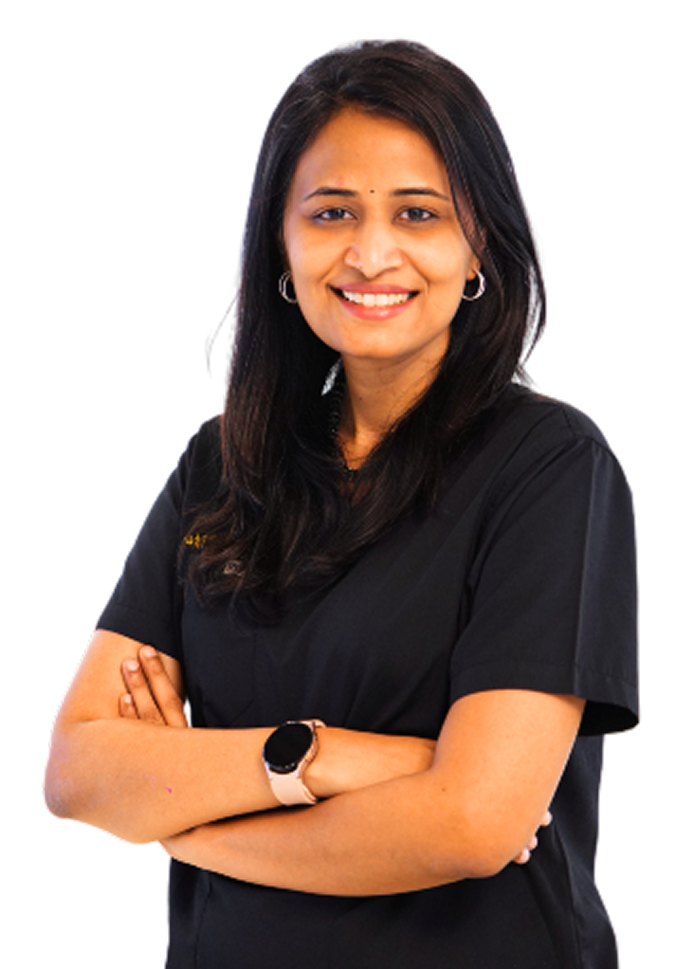
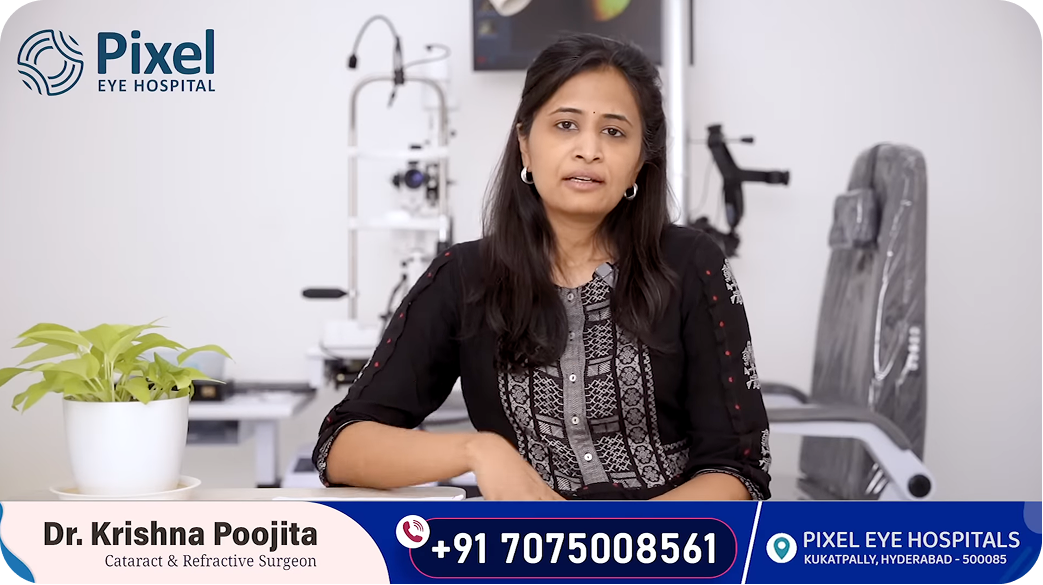
Dr. Krishna Poojita
MBBS, DNB (Ophthalmology), MRCS (Edinburgh), FICO (UK), FPRS (Narayana Nethralaya) Cataract & Refractive Surgeon
View Doctor Profiles
FAQs

For more detailed and personalised information on the cost of the best cataract surgery in Hyderabad, it is highly recommended that you contact us via email or phone to book your appointment as soon as possible.
Surgery is recommended when cataracts significantly interfere with daily activities such as reading, driving, or recognising faces, or when vision cannot be corrected with glasses. Your ophthalmologist will assess lens opacity, visual acuity, and overall eye health to determine timing.
Most cataract procedures use local or topical anaesthesia so you should feel little to no pain during the operation. Mild pressure or discomfort can occur. Any post-operative pain is uncommon and usually controlled with simple medications.
Many patients notice clearer vision within a few days, but full healing and visual stability can take 4–6 weeks. Follow-up visits ensure proper recovery and help manage any temporary visual fluctuations.
Plan to rest on the day of surgery and avoid heavy lifting, bending, and strenuous exercise for 1–2 weeks. Light activities are usually fine as advised by your surgeon.
Use prescribed eye drops (antibiotic and anti-inflammatory), avoid rubbing the eye, wear protective eyewear if instructed, attend follow-up appointments, and report any sudden pain or loss of vision immediately.
Short periods of TV are generally fine soon after surgery, but avoid prolonged screen time in the first 24–48 hours and follow your surgeon’s guidance to reduce eye strain.
Using a mobile for short periods is usually permitted, but limit extended near work during the initial recovery period and keep screens at a comfortable distance.
Modern cataract surgery has a very high success rate; most patients experience significant visual improvement. Final outcomes depend on eye health and any co-existing conditions.
Anyone whose daily life is affected by cataract-related vision loss may be a candidate. A comprehensive eye exam determines suitability and the most appropriate intraocular lens option.
See an ophthalmologist if you notice progressive blurring, increased glare or halos, difficulty with night driving, sudden changes in vision, or after an eye injury. Early assessment enables timely treatment.
Costs vary depending on the hospital, surgeon, surgical technique, and lens choice (standard vs premium). Contact Pixel Eye Hospital for a personalised quote that includes pre-op tests, the procedure, and follow-ups.
Patient Experiences
From patients who have already taken their first step toward clearer vision.

My father underwent cataract surgery here. The hospital is very clean, and the staff are highly professional. I had visited three other hospitals before, where everything felt disorganized. Pixel Eye is much more organised. Also, Dr. Rasheed and Dr. Poojitha are among the best doctors in ophthalmology, and I would wholeheartedly recommend them.

Very good experience at Pixel Eye Hospital. The service was excellent, and everyone was cooperative. The consultation went smoothly with proper guidance. Thanks to the doctor for the clear explanation regarding the treatment plan.
I underwent cataract surgery for both my eyes, and based on my lifestyle the doctor suggested an EDOF lens. Everything went very well, and my vision is now clear and comfortable for both distance and near. Thanks to Pixel Eye Hospital and Dr. Rasheed.
I had an excellent experience with Dr. Rasheed. He is our family doctor. He performed two cataract surgeries for my family, and we are very happy with all the successful surgeries. Thank you to Pixel Eye Hospital, Dr. Rasheed, and the whole staff for the care.
I had a very good experience at Pixel Eye Hospital. I visited with a complaint of dry eyes, and Dr. Krishna Poojitha was extremely patient, professional, and kind throughout the consultation. She listened carefully to my concerns, explained the condition clearly, and suggested an effective treatment plan.
It is a really good hospital if you are planning for eye surgery. The staff are very supportive and make patients comfortable in Marathi, Hindi, or English. Dr. Krishna is super supportive with patients.
Understand the process,
trust the outcome
A closer look at how each treatment works, so that every step feels familiar and you feel ready for what comes next.