

Age (usually 18+)
LASIK: Clear vision
beyond glasses
At Pixel Eye Hospital, we use Advanced laser vision correction to reduce dependence on spectacles and contact lenses, with a detailed eye evaluation to check your suitability.

What is LASIK?
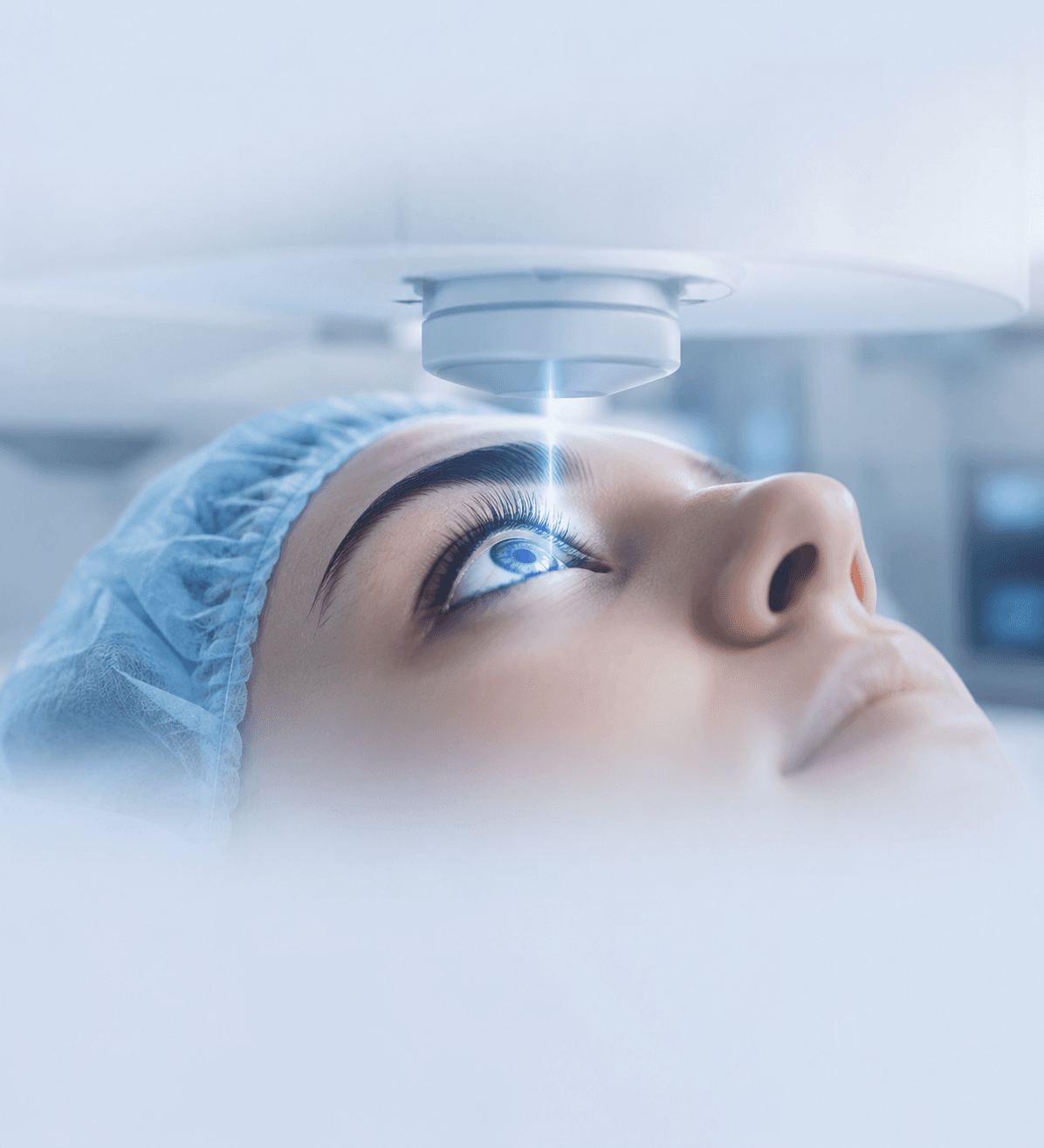
LASIK is a laser vision correction procedure used to treat common refractive errors such as nearsightedness, farsightedness, and astigmatism.
During the procedure, the cornea is reshaped with a precise laser so that light focuses more accurately on the retina, helping improve vision without depending fully on glasses or contact lenses.
Is LASIK right for you?
LASIK may be considered if you have been using glasses or contact lenses and want to reduce your dependency on them.
What LASIK can correct
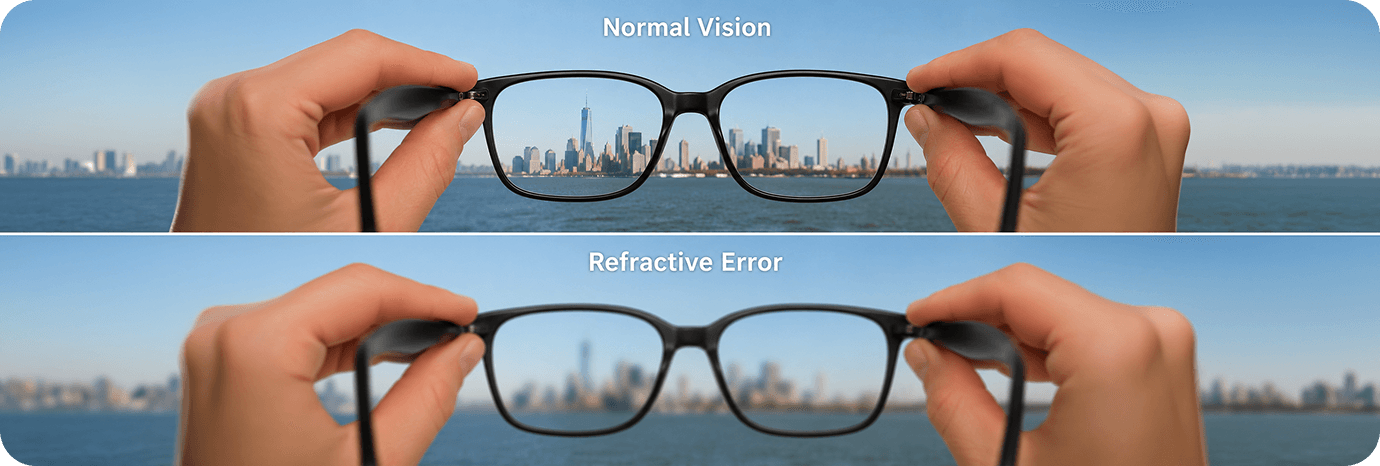
LASIK is designed to correct refractive errors that cause blurred vision.
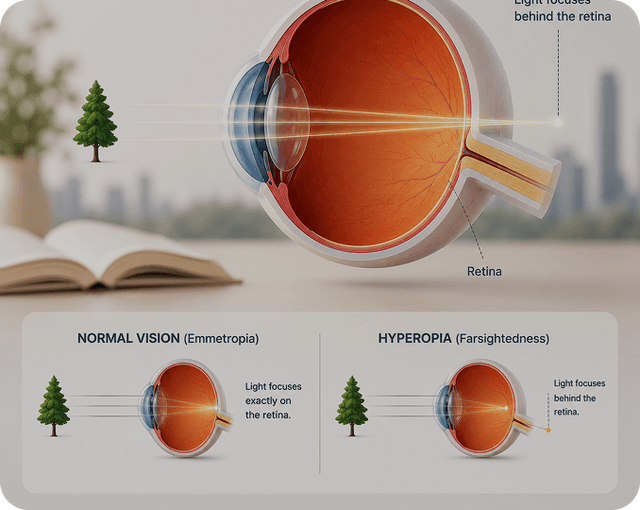
Hyperopia ( Farsightedness )
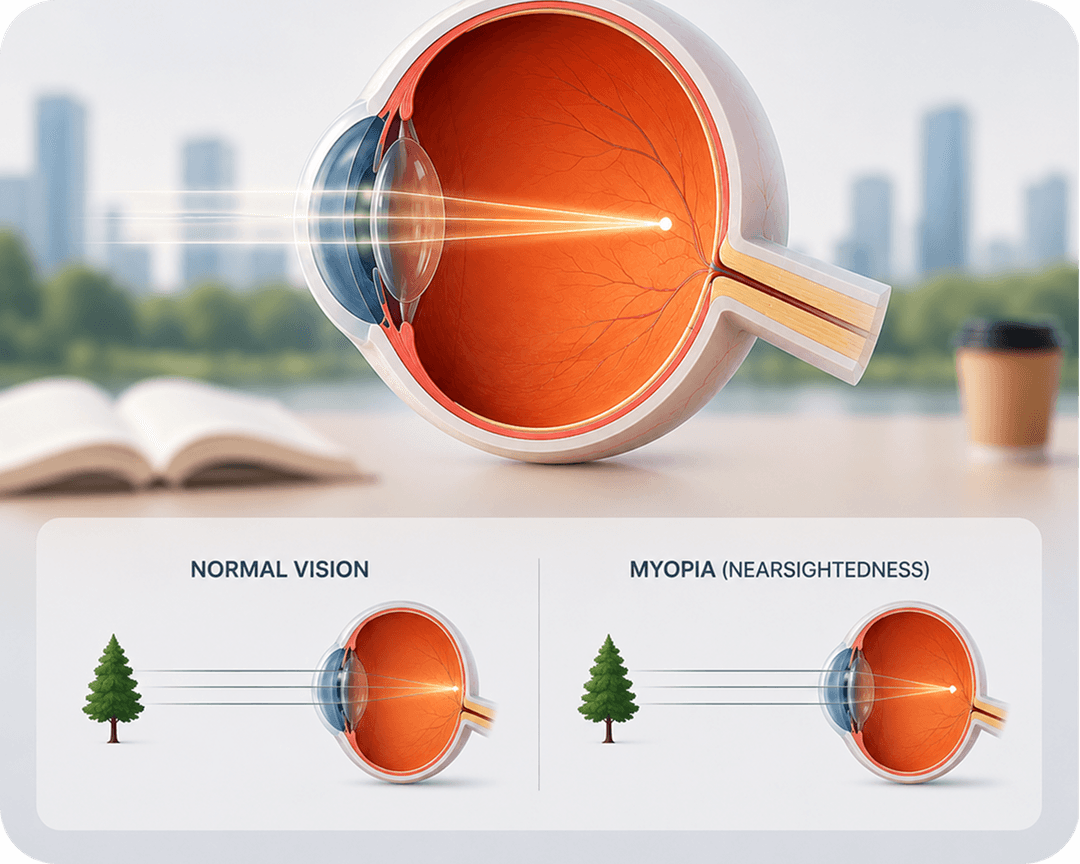
Myopia ( Nearsightedness )
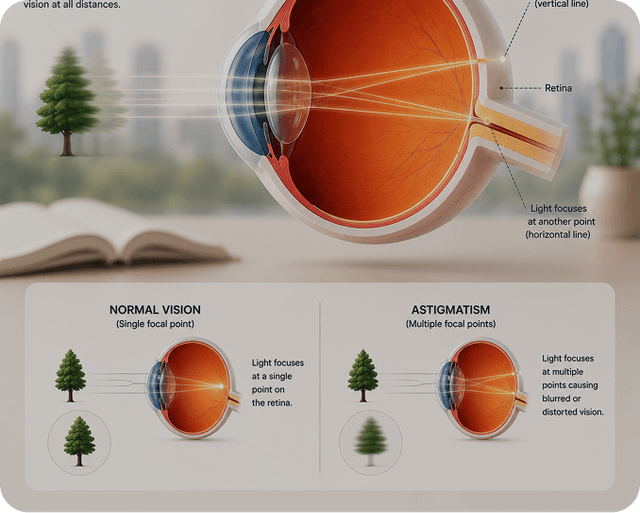
Astigmatism
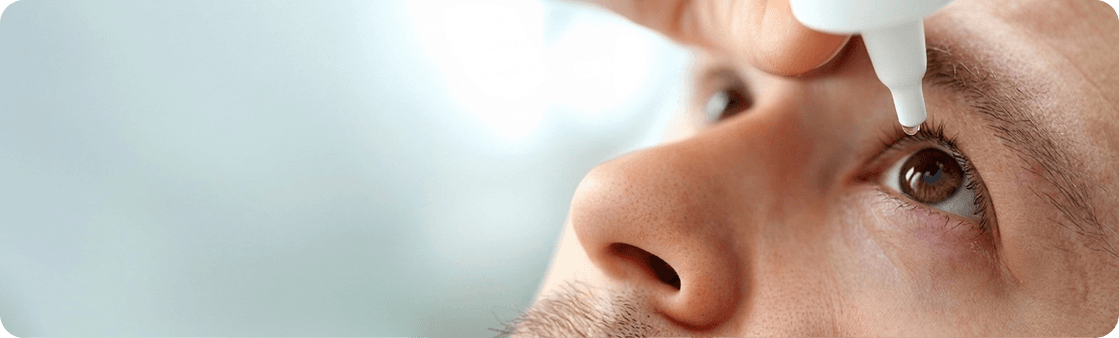
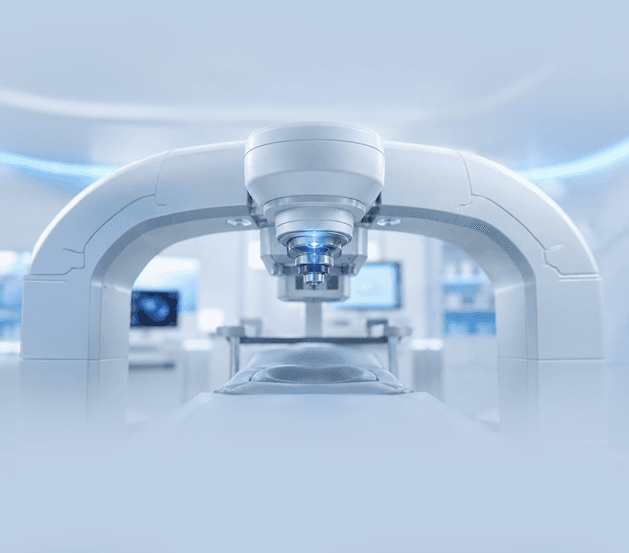
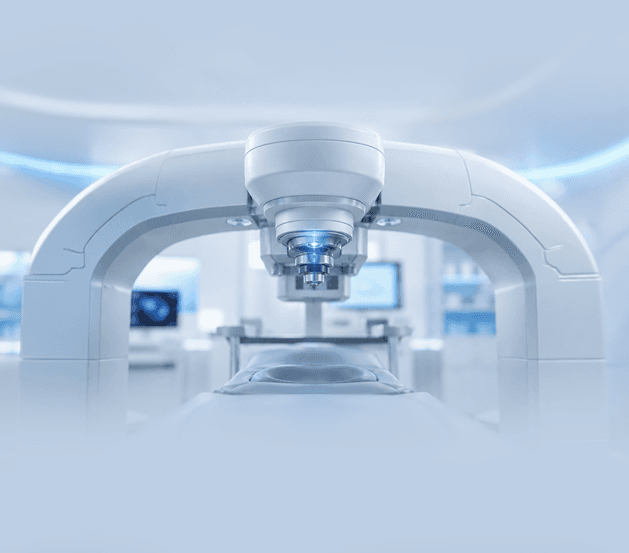
Femto LASIK / Bladeless LASIK
A laser-assisted flap creation method designed for greater precision and comfort.
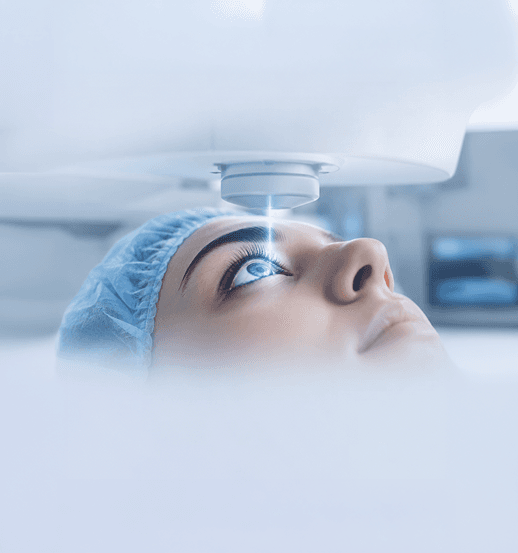
LASIK
A commonly performed laser vision correction procedure where the cornea is reshaped to improve focusing power.
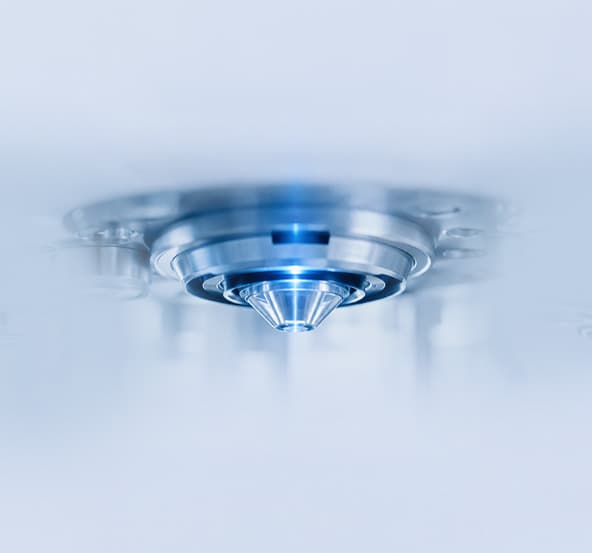
Contoura LASIK
A customized laser correction option planned according to the unique shape of the cornea.
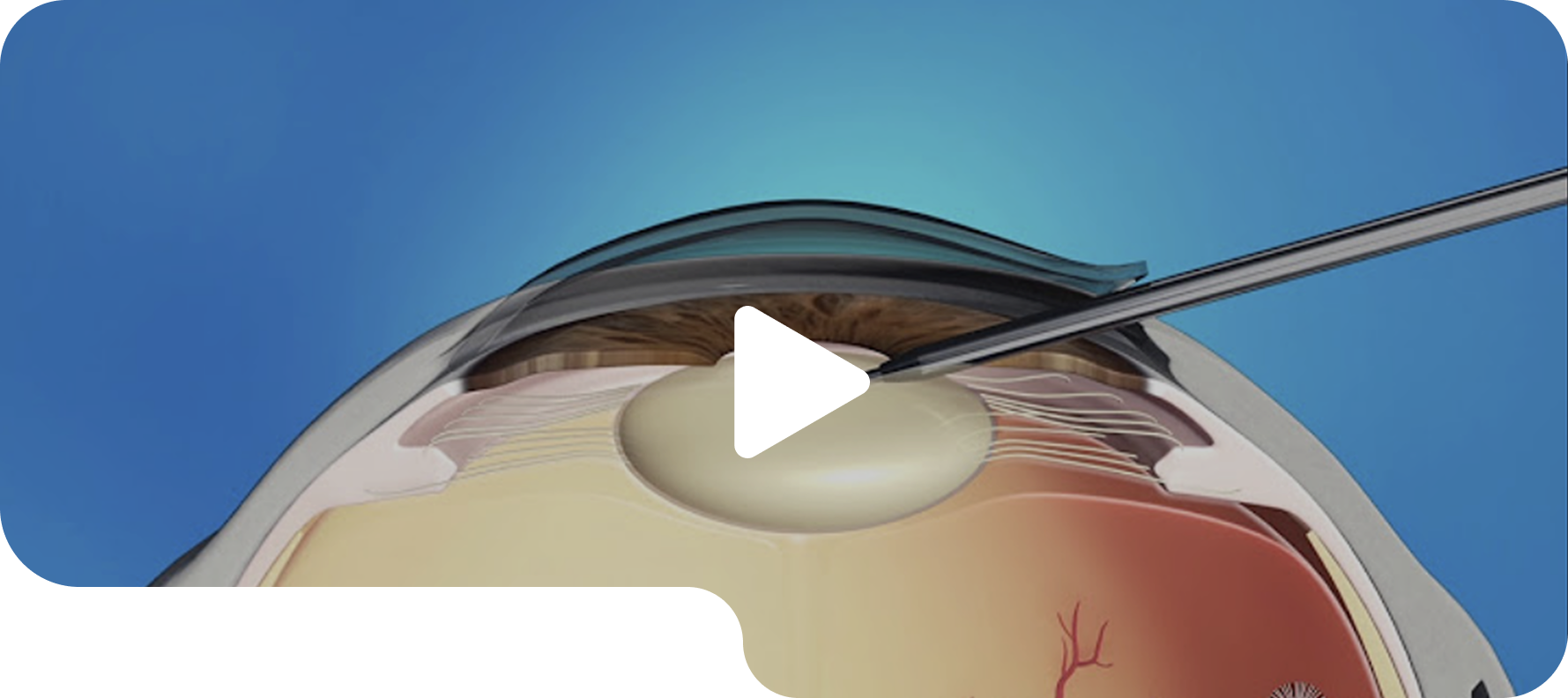
Femto LASIK / Bladeless LASIK
A laser-assisted flap creation method designed for greater precision and comfort.
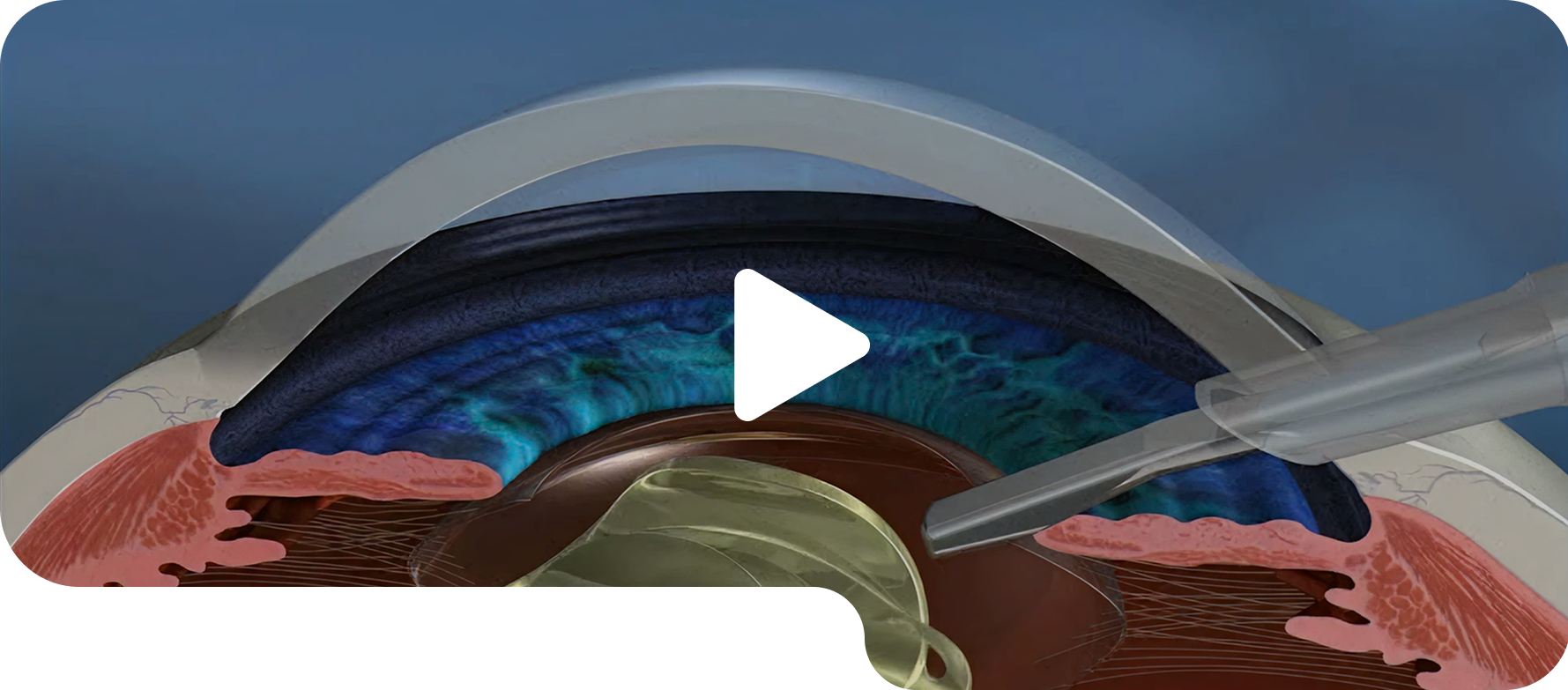
LASIK
A commonly performed laser vision correction procedure where the cornea is reshaped to improve focusing power.
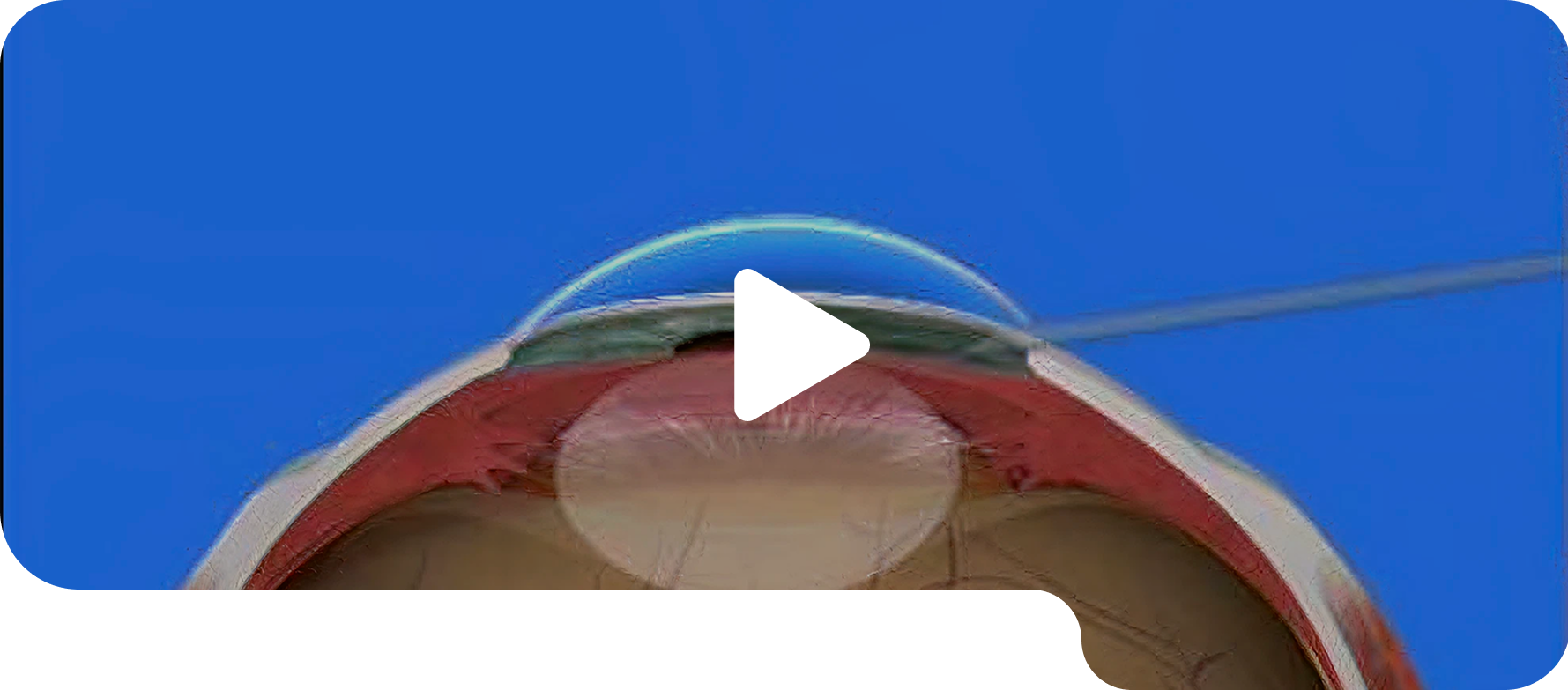
Clinical expertise
Laser refractive care at Pixel Eye Hospital is led by experienced ophthalmologists trained in advanced LASIK, surface laser procedures, and phakic IOL evaluation.

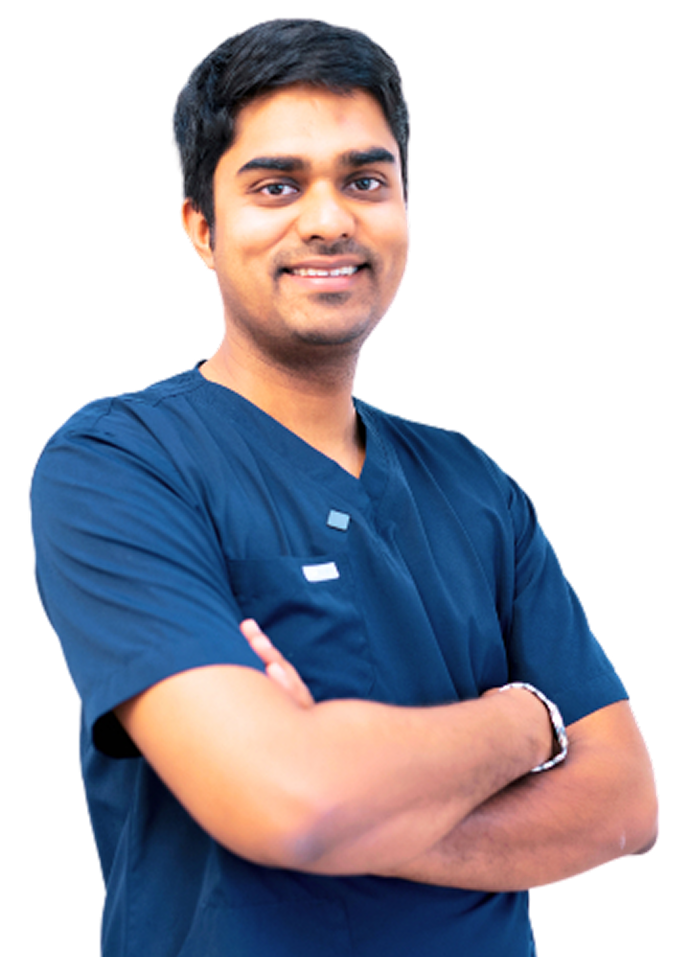
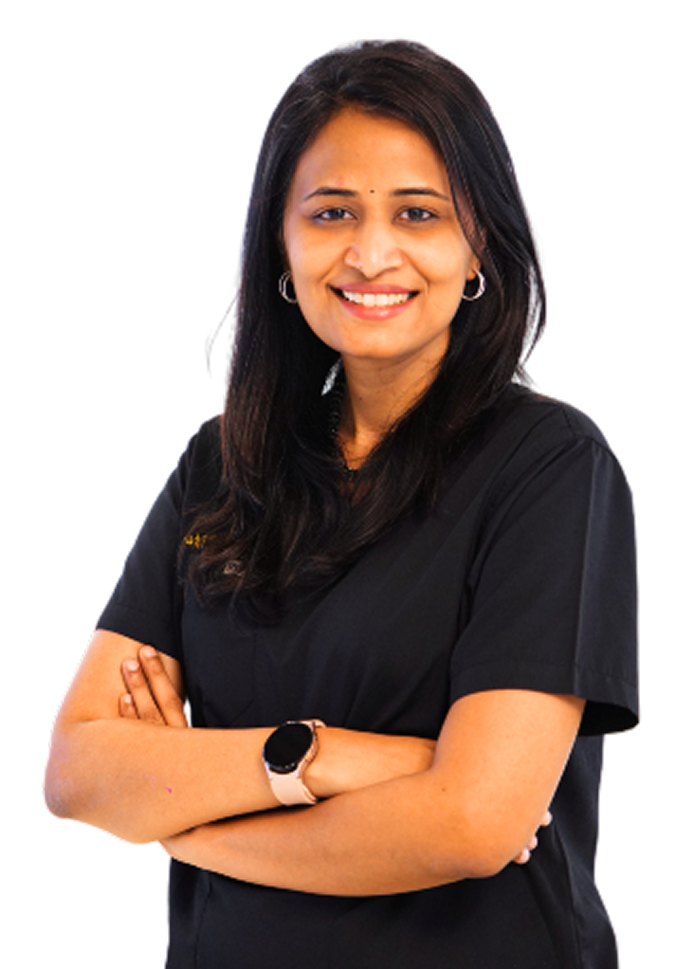
Dr. Krishna Poojita
MBBS, DNB (Ophthalmology), MRCS (Edinburgh), FICO (UK), FPRS (Narayana Nethralaya) Cataract & Refractive Surgeon
View Doctor Profiles
FAQs
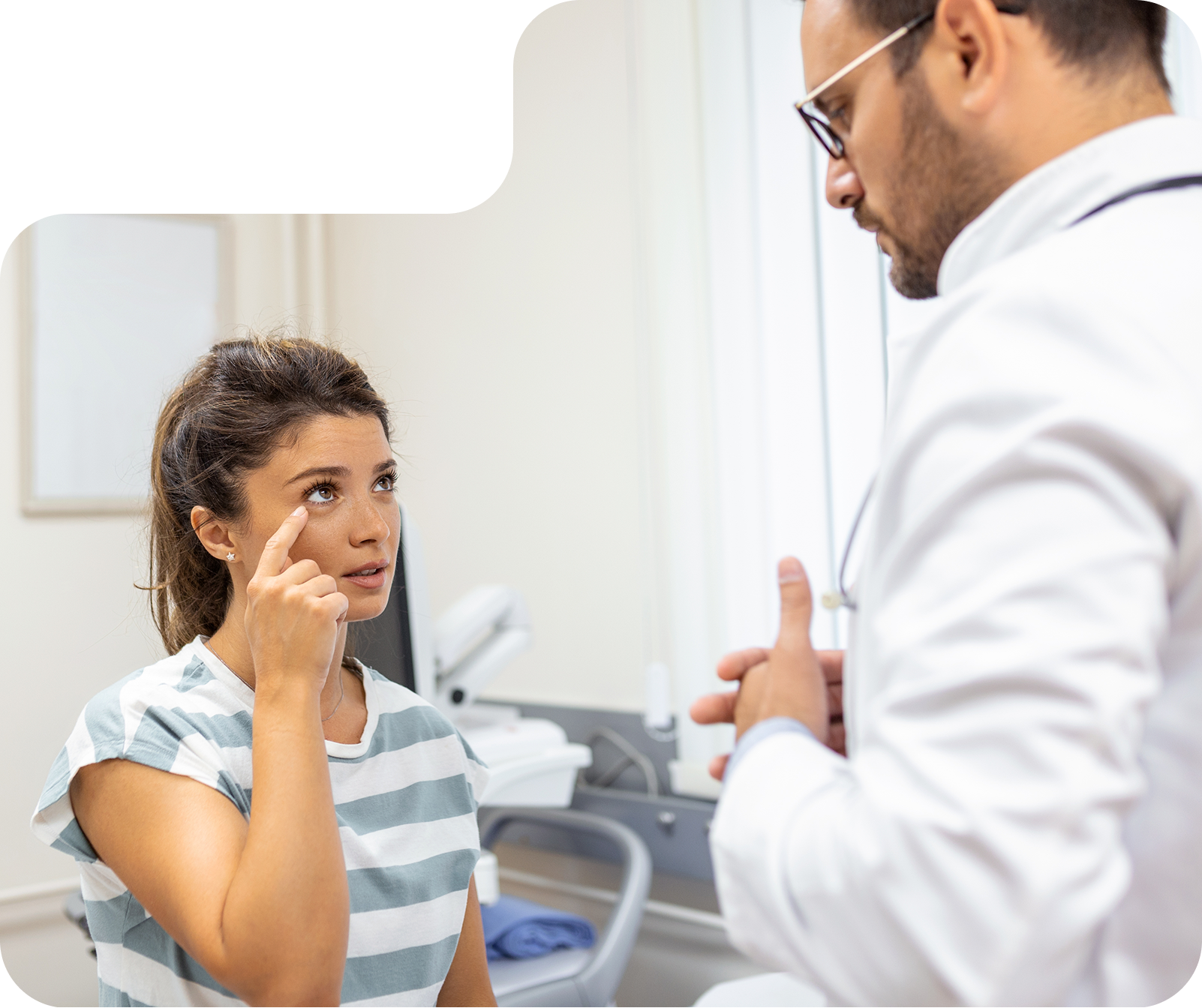
For personalised advice about LASIK and laser vision correction, schedule a consultation with our refractive surgery specialists. A detailed evaluation will help determine the safest and most suitable option for your eyes.
ICL and IPCL are phakic intraocular lenses: a thin corrective lens is placed inside the eye without removing the natural lens. They may be considered for suitable adults with higher refractive errors or when corneal laser procedures are not appropriate. A detailed examination is needed to assess eye health, corneal shape, and the space inside the eye.
Suitable candidates typically have a stable refractive error for at least a year, adequate corneal thickness, no significant dry eye, and are above 18 years of age. A detailed pre-LASIK evaluation at our clinic will confirm your suitability.
For most patients, LASIK provides long-lasting vision correction. The reshaping of the cornea is permanent. However, natural age-related vision changes (such as presbyopia) may still occur over time.
The procedure is performed under topical anaesthetic eye drops, so you should feel no pain during LASIK. Some patients report mild discomfort or a gritty sensation for a few hours afterward, which usually resolves quickly.
Most patients notice significantly improved vision within 24–48 hours. Full stabilisation typically takes 1–3 months. You should avoid rubbing your eyes and strenuous activity for the first week.
Yes. LASIK, including Contoura / Topography-Guided LASIK, can effectively treat astigmatism by precisely reshaping the irregular corneal curvature that causes blurred or distorted vision.
A thin flap is created on the cornea (using a microkeratome or femtosecond laser), folded back, and an excimer laser reshapes the underlying tissue. The flap is then repositioned. The entire procedure typically takes under 15 minutes per eye.
In most cases, yes. Treating both eyes on the same day is standard practice and is safe and convenient for the majority of patients.
LASIK is a well-established procedure with a high safety record. Potential risks include dry eyes, halos or glare at night, and under- or over-correction. These are discussed in detail during your pre-LASIK evaluation.
Patient Experiences
From patients who have already taken their first step toward clearer vision.

My father underwent cataract surgery here. The hospital is very clean, and the staff are highly professional. I had visited three other hospitals before, where everything felt disorganized. Pixel Eye is much more organised. Also, Dr. Rasheed and Dr. Poojitha are among the best doctors in ophthalmology, and I would wholeheartedly recommend them.

Very good experience at Pixel Eye Hospital. The service was excellent, and everyone was cooperative. The consultation went smoothly with proper guidance. Thanks to the doctor for the clear explanation regarding the treatment plan.
I underwent cataract surgery for both my eyes, and based on my lifestyle the doctor suggested an EDOF lens. Everything went very well, and my vision is now clear and comfortable for both distance and near. Thanks to Pixel Eye Hospital and Dr. Rasheed.
I had an excellent experience with Dr. Rasheed. He is our family doctor. He performed two cataract surgeries for my family, and we are very happy with all the successful surgeries. Thank you to Pixel Eye Hospital, Dr. Rasheed, and the whole staff for the care.
I had a very good experience at Pixel Eye Hospital. I visited with a complaint of dry eyes, and Dr. Krishna Poojitha was extremely patient, professional, and kind throughout the consultation. She listened carefully to my concerns, explained the condition clearly, and suggested an effective treatment plan.
It is a really good hospital if you are planning for eye surgery. The staff are very supportive and make patients comfortable in Marathi, Hindi, or English. Dr. Krishna is super supportive with patients.
Understand the process,
trust the outcome
A closer look at how each treatment works, so that every step feels familiar and you feel ready for what comes next.